


If you're using a VA loan to buy a home, you'll encounter an important step that protects both you and the VA: the appraisal. A VA appraisal is a professional property assessment required for all VA-backed home loans that serves two purposes: establishing the home's fair market value and ensuring it meets the VA's Minimum Property Requirements (MPRs) for safety, soundness, and sanitation.
Unlike conventional appraisals that focus primarily on value, VA appraisals go further to protect Veterans from purchasing homes with significant defects or safety issues. Understanding how VA appraisals work, what appraisers look for, and how they might affect your home purchase helps you navigate the process with confidence and avoid surprises.
Why VA Appraisals Are Different
VA appraisals serve a dual purpose that sets them apart from conventional loan appraisals. Yes, they establish market value like any appraisal, but they also assess whether the property meets specific standards designed to protect you.
Protecting Your Investment
The VA wants to ensure you're not overpaying for a property or buying a home with serious issues that could affect your safety or the home's livability. According to VA guidelines, the appraisal protects both Veterans and the VA by confirming the property is worth the purchase price and suitable for year-round occupancy.
This protection matters especially for first-time homebuyers who might not recognize red flags that experienced investors would spot immediately. The VA appraisal acts as an additional set of expert eyes looking out for your interests.
The Minimum Property Requirements
The VA's MPRs cover a wide range of safety, structural, and sanitation standards. These are fundamental requirements ensuring the home is safe and livable.
The property must be free from hazards that could affect health or safety, have adequate heating and a safe water supply, include proper sewage disposal systems, have safe access via roads or streets, and maintain structural soundness, including the roof, foundation, and overall integrity.
These standards mean some properties that would qualify for conventional financing might not pass VA appraisal. While this can feel frustrating if you fall in love with a fixer-upper, remember that these requirements protect you from buying a money pit or unsafe property.
How the VA Appraisal Process Works
Understanding the timeline and steps helps you know what to expect and plan accordingly.
Who Orders the Appraisal
Your lender orders the appraisal once you have a signed purchase agreement. You can't choose the appraiser yourself. The VA maintains a list of approved appraisers in each area, and your lender selects from this list to ensure independence and objectivity.
This independence is important. The appraiser works for neither the buyer nor the seller but provides an unbiased assessment of the property's value and condition.
What It Costs
VA appraisal fees vary by location and property type. These fees can be higher for more complex properties or in areas with fewer appraisers. According to VA regulations, the Veteran pays the appraisal fee, which is usually collected upfront when the appraisal is ordered.
The fee covers the appraiser's time and the report they prepare. While it might feel like just another cost in an expensive process, the appraisal provides valuable protection and information.
The Timeline
Most VA appraisals are completed within 7-10 business days from when they're ordered, though this can vary based on local market conditions and appraiser availability. In hot real estate markets or rural areas with fewer appraisers, it might take longer.
The appraiser will schedule a time to visit the property, where they'll examine both the interior and exterior, take measurements and photos, and document the property's condition.
After the physical inspection, the appraiser researches comparable sales in the area to determine fair market value. They then compile everything into a detailed report for the lender and VA.
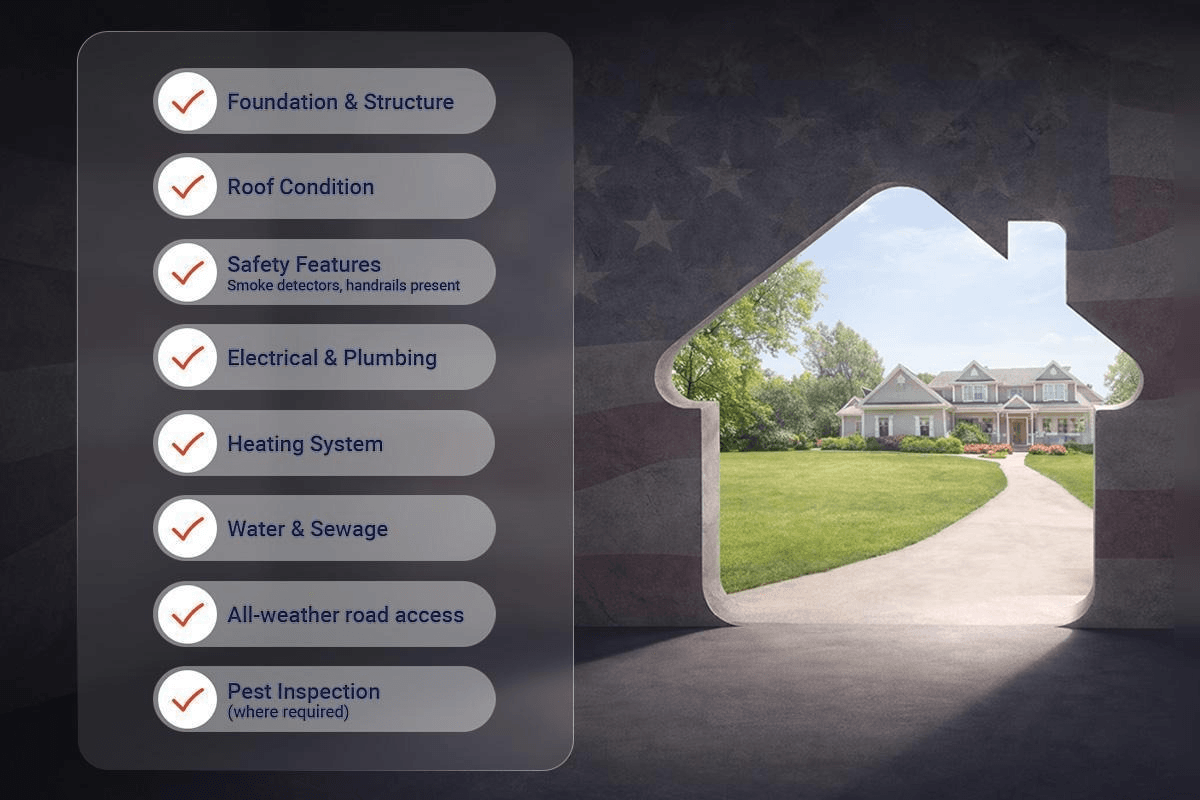
Image created for NewDay USA
What Appraisers Look For
VA appraisers examine numerous aspects of the property, paying close attention to items that affect safety and soundness.
Structural Components
The appraiser inspects the foundation for cracks, settling, or other structural concerns. They examine the roof for any repairs that may need to be done. Most lenders require roofs to have at least two years of remaining life. The appraiser also checks exterior walls and siding for soundness and weather resistance, and reviews the overall structural integrity of the home.
Significant structural issues can result in required repairs before the loan can close or even cause the property to fail appraisal entirely.
Systems and Safety
Essential home systems get careful scrutiny. The appraiser verifies that heating systems work properly and adequately heat the home. They check that electrical systems appear safe with no exposed wiring or obvious hazards. Plumbing must function properly with adequate water pressure and no significant leaks. Water heaters should be installed safely and in working condition.
Safety features matter too. The appraiser notes whether smoke detectors are present, handrails exist on stairs, and there are no obvious safety hazards like missing steps or dangerous electrical situations.
Water and Sewage
Properties must have access to a continuous water supply. If the home uses well water, the VA typically requires water testing to ensure safety. The septic system (if applicable) must be adequate for the home's size and in proper working condition. Some lenders require septic inspections beyond the basic appraisal.
These requirements protect you from buying a home where basic utilities don't function properly or could pose health risks.
Property Access and Site Conditions
The property must have all-weather access via a public or private street. This means the appraiser checks whether you can reach the home year-round without requiring specialized vehicles or conditions.
The site itself is examined for proper drainage that directs water away from the foundation, absence of standing water that could cause structural issues or pest problems, and lack of environmental hazards like soil contamination or hazardous waste.
Pest Infestations
In many parts of the country, the VA requires a wood-destroying insect (termite) inspection. According to HUD guidelines, this inspection is mandatory in certain states and recommended in others.
Evidence of active infestation or significant previous damage typically requires treatment and repairs before closing. This protects you from hidden damage that could compromise the home's structure and cost thousands to repair.
Common Issues That Come Up
Some problems appear more frequently than others during VA appraisals. Being aware of these helps you evaluate properties before making an offer.
Peeling Paint in Older Homes
Homes built before 1978 get extra scrutiny for peeling or chipping paint due to lead paint concerns. The VA requires that any chipped, cracked, or peeling paint be repainted. If you're buying an older home, walk through carefully and note any paint issues before making an offer. Addressing these concerns upfront can prevent delays later.
Roof Issues
Roofs are among the most common issues flagged in VA appraisals. Missing shingles, visible damage, or roofs nearing the end of their useful life often require repair or replacement before closing.
Deferred Maintenance
A home with multiple small maintenance issues can accumulate enough problems to fail appraisal. Broken windows, non-functioning appliances, damaged flooring, or numerous minor repairs together paint a picture of neglect that concerns the VA.
Missing Handrails or Safety Features
Stairs without handrails or other safety concerns frequently appear on appraisal reports as required repairs. These are usually quick and inexpensive to fix but must be addressed before closing.
What Happens If Issues Are Found
Finding issues during appraisal doesn't automatically kill the deal, but it does require action.
Required Repairs
If the appraiser identifies deficiencies that must be corrected, these appear on the appraisal report as "subject to" conditions. The loan cannot close until these repairs are completed and verified.
You have several options when repairs are required. The seller can complete the repairs before closing, which is most common. You can negotiate for the seller to reduce the purchase price so you can handle repairs after closing (though the VA may not allow this for safety-related issues). In some cases, you can walk away from the deal if repairs are too extensive or expensive.
The Tidewater Initiative
Sometimes appraisers need additional information to support their value assessment. The Tidewater Initiative allows interested parties (usually your real estate agent) to provide additional comparable sales data to the appraiser before the appraisal is finalized.
Value Coming In Low
If the appraised value comes in below your purchase price, you've got some decisions to make. The VA will only guarantee a loan up to the appraised value, not the purchase price.
You can negotiate with the seller to reduce the price to match the appraisal, bring additional cash to closing to cover the difference between appraised value and purchase price (while still making no down payment on the appraised amount), or walk away from the purchase if the gap is too large.
The Notice of Value (NOV)
Once the appraisal is complete, the lender issues a NOV. This document states the property's fair market value, notes any required repairs, and indicates the appraiser's opinion on whether the property meets MPRs.
The NOV is valid for six months for purchase transactions, giving you time to complete the loan process. If you're refinancing, the NOV is valid for six months, and your lender will share the appraisal results with you.
Tips for a Smooth VA Appraisal
You can take steps to increase the likelihood of a smooth appraisal process.
Do Your Homework Before Making an Offer
Look critically at properties during showings. Note any obvious issues with the roof, peeling paint, broken windows, or missing safety features. Consider whether you want to deal with required repairs before moving forward with an offer.
Consider a Pre-Listing Inspection
If you're concerned about a property's condition, consider paying for your own home inspection before making an offer. This isn't the same as the VA appraisal, but it can identify major issues early so you can negotiate repairs upfront or decide to keep looking.
Communicate with Your Agent
Make sure your real estate agent understands VA loan requirements. Experienced agents familiar with VA transactions can help you avoid properties likely to have appraisal issues and negotiate repair requests more effectively.
Be Prepared for Delays
Build extra time into your closing timeline to accommodate potential repair requirements. If you're on a tight schedule due to a lease ending or other constraints, communicate this with all parties so everyone understands the urgency.
Stay in Touch with Your Lender
Keep communication open with your lender throughout the process. They can update you on appraisal status, explain any issues that arise, and guide you through next steps if problems come up.
When Properties Don't Meet VA Standards
Sometimes a property just won't work with VA financing, no matter how much you love it. Properties with significant structural damage, homes without adequate heating or water, properties with serious safety hazards, or houses requiring extensive repairs before they're livable typically won't pass VA appraisal.
This doesn't mean you absolutely can't buy these properties, but you'd need to use different financing (if available) or wait until repairs are completed.
Moving Forward with Confidence
Understanding what appraisers look for and how the process works helps you choose properties wisely and navigate any issues that arise. Work with experienced professionals who understand VA loans, stay communicative throughout the process, and remember that the requirements exist for your benefit.
When you finally close on your home knowing it's been thoroughly vetted for value and safety, you can move in with confidence that you've made a solid investment in your future. Read more, and begin your journey toward VA-backed homeownership.
FAQs
How long does a VA appraisal take?
The actual property visit takes 30-60 minutes, but completing the full report typically requires 7-10 business days from when it's ordered. In busy markets or areas with few appraisers, it might take up to two weeks. Your lender can provide updates on status and expected completion.
Can I be present during the VA appraisal?
You generally won't attend the appraisal. The appraiser typically coordinates with the seller or listing agent to access the property. Your presence isn't necessary and could be seen as potentially influencing the appraiser's independent assessment. Let the appraiser do their work objectively.
What if I disagree with the appraisal value?
If you believe the appraisal is inaccurate, you can ask your lender about a Reconsideration of Value (ROV). You'll need to provide evidence, typically recent comparable sales that support a higher value. The VA’s appraisal team will review your information and may adjust their assessment if warranted. The Tidewater Initiative allows this type of input before the appraisal is finalized.
Does the VA appraisal replace a home inspection?
No. The VA appraisal focuses on value and minimum property requirements, but isn't as thorough as a full home inspection. Inspectors examine systems and components in greater detail and can identify issues that the appraisal might miss. Most Veterans benefit from getting their own inspection even though it's not required.
What happens if the seller won't make the required repairs?
You have options. You can negotiate to see if the seller will reconsider, especially for minor repairs. You might walk away from the purchase if your contract includes an appraisal contingency. In some cases, you could pay for repairs yourself after closing, though the VA typically requires safety-related repairs to be completed before closing. Discuss your options with your lender and agent.